
Optimizing Your Pet Care Routine for Modern Living: A 2026 Trend Analysis

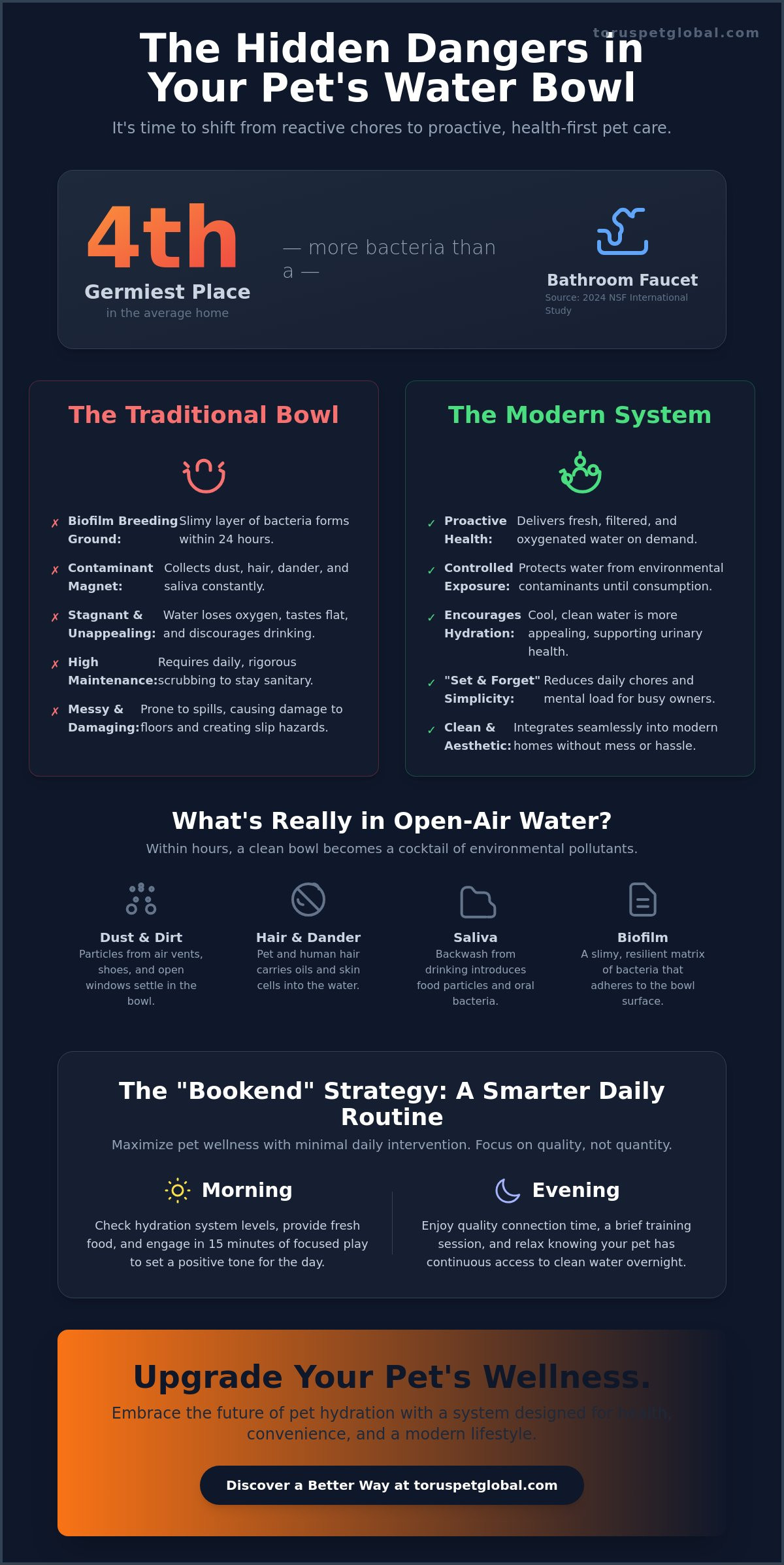
What if your pet care routine is actually working against your home's design and your pet's long-term health? While you likely prioritize high-quality nutrition, a 2024 study by NSF International revealed that pet bowls are the fourth germiest place in the average home, often harboring more bacteria than a bathroom faucet. It's time to rethink how we approach modern pet care.
We agree that keeping your home pristine shouldn't conflict with providing clean water for pets. You want a dog hydration routine that works silently in the background, ensuring health without the messy spills or the complexity of electric fountains. This article promises to help you transition from reactive maintenance to a sophisticated, health-first approach tailored for the modern pet parent.
We'll explore how to take care of a dog daily through a simple pet care routine that emphasizes the importance of hydration. You will learn practical pet care tips for busy owners, including how to integrate hydration solutions that control water exposure and reduce contamination risks. We're moving beyond basic maintenance into a new era of proactive, design-led wellness.
Key Takeaways
- Transition from reactive pet maintenance to a proactive, health-first mindset that prioritizes efficiency and quality over time-consuming manual chores.
- Learn how to take care of a dog daily by implementing a simple pet care routine and dog hydration routine that focuses on clean water for pets, the importance of hydration, and modern pet care.
- Explore how smart automation and "set and forget" systems allow pet parents to maintain high standards of sanitation and nutrition with minimal daily intervention.
- Master the "bookend" strategy for organizing your morning and evening to maximize pet wellness while fitting seamlessly into a sophisticated, modern lifestyle.
- Understand why transitioning from open bowls to controlled hydration solutions is the new standard for reducing exposure to environmental contaminants and biofilm.
The Evolution of the Modern Pet Care Routine
The traditional concept of pet ownership has fundamentally changed. By 2026, the shift from "owner" to "pet parent" is complete, moving away from simple maintenance toward integrated wellness. Modern pet care isn't about how much time you spend on chores; it's about the quality of the systems you put in place to support a healthy life.
Many people assume a full bowl of water ensures a healthy animal. This is a common misconception. Stagnant water in open bowls can collect dust, hair, and bacteria within hours. The Evolution of Pet Ownership shows that as our bond with animals deepens, our standards for their environment must also rise. We now prioritize clean water for pets through controlled delivery rather than just volume.
The "more is better" approach to a pet care routine is being replaced by efficiency. Busy professionals don't need more tasks. They need solutions that remove friction. No heavy lifting. No daily scrubbing of slimy bowls. No water damage on hardwood floors. A simple pet care routine focuses on high-impact actions that preserve the clean aesthetics of a modern home while ensuring the animal thrives.
Quality Over Quantity in Daily Care
Focused engagement is more effective than passive presence. Fifteen minutes of intentional play or training can reduce cortisol levels more effectively than an hour of sitting in the same room. Urban pets face unique stressors, such as city noise levels that frequently peak above 85 decibels. A structured how to take care of a dog daily plan includes auditing your home for these friction points. Removing the need for constant monitoring of the water level allows for more meaningful connection.
The Health-First Paradigm Shift
We're moving toward preventative wellness. A stable dog hydration routine is a cornerstone of this shift, as consistent access to filtered water helps reduce the risk of urinary issues. Routine provides security; it lowers anxiety in pets who thrive on predictability. Modern Pet Care is defined as the seamless blend of intuitive technology and deep empathy.
By using hydration solutions that control water exposure, you protect your pet from environmental contaminants. This isn't just about a drink; it's about the importance of hydration as a sophisticated element of long-term health. Smart systems handle the logistics so you can focus on the relationship. Pet care tips for busy owners often focus on speed, but the most effective routines focus on the purity of the environment.
The Science of Hydration: Beyond the Basic Water Bowl
Most pet parents view water as a simple utility. They fill a bowl, set it down, and walk away. This approach ignores the reality that water is a critical nutrient, the most essential one in any modern pet care strategy. It facilitates every chemical reaction in the body, from nutrient absorption to temperature regulation. When water sits in an open bowl, it stops being a fresh resource and starts becoming a biological liability.
Understanding The Science of Hydration reveals that dogs and cats are biologically programmed to seek out moving, oxygenated water. Stagnant water loses oxygen quickly. It tastes flat. More importantly, open bowls are magnets for biofilm, a complex collection of bacteria that adheres to surfaces. Within 24 hours, a clean bowl can become a breeding ground for pathogens that compromise your dog hydration routine.
No slime. No stagnant odors. No chemical aftertaste. By switching to systems that utilize controlled water exposure, you ensure that clean water for pets remains a standard rather than a fleeting moment after a refill. This shift is a foundational part of learning how to take care of a dog daily in a way that prioritizes long-term health over short-term convenience.
The Problem with Open-Air Hydration
Dust, household dander, and saliva degrade water quality within hours of exposure. This environmental contamination creates a metabolic cost. When a pet drinks less due to unappealing water, they exist in a state of low-level dehydration. This isn't always visible, but it places unnecessary stress on the heart and kidneys. For pet care tips for busy owners, the traditional "frequent refilling" method is often a failing strategy. It's labor-intensive and doesn't address the core issue of immediate contamination. A simple pet care routine should rely on technology that protects the water before it ever reaches the pet.
Filtration and Mineral Balance
The quality of the water is just as important as the quantity. Active carbon filtration plays a vital role in removing chlorine and heavy metals often found in municipal supplies. These impurities can lead to urinary tract issues and kidney stress over several years. High-quality filtration supports a balanced internal environment, ensuring that the importance of hydration is backed by pure ingredients. Pet care routine experts now recommend systems that integrate these filters directly into the storage walls. You can explore the technical details of these advanced systems through The Science of modern hydration. Transitioning to a smart hydration solution ensures your pet has access to fresh, filtered water without the constant maintenance of traditional bowls.
Smart Tech Trends: From Automatic Litter Boxes to Intelligent Hydration
By 2026, the integration of technology into a modern pet care routine has shifted from novelty gadgets to essential health tools. Smart systems are no longer just about convenience; they are about precision and data. Many households now prioritize hardware that provides continuous care without requiring constant human intervention. This evolution focuses on two primary areas: waste management and hydration.
The Rise of the Smart Toilet and Automated Sanitation
The "smart toilet" segment for cats is projected to reach a 45% market penetration by the end of 2026. These devices do more than scoop waste. They track weight, frequency of use, and waste volume to identify early signs of kidney disease or urinary issues. For owners managing a simple pet care routine, these automated systems provide a level of sanitation that manual cleaning cannot match.
Modern pet parents are choosing between high-tech electric units and sophisticated non-electric mechanical designs. While electric boxes offer app connectivity, non-electric smart solutions are gaining favor for their reliability and lack of motor noise. These systems reduce odors and bacteria spread, creating a more hygienic environment for both humans and animals.
Intelligent Hydration Systems
The importance of hydration remains a cornerstone of pet health, yet the delivery methods are changing. Traditional electric fountains often suffer from pump failure, biofilm buildup, and the need for proximity to power outlets. The 2026 trend favors passive intelligence. These are systems that utilize gravity and vacuum pressure to maintain fresh water levels without the need for batteries or cords.
No pumps. No noise. No power cords to chew. This "no-power" innovation ensures that a dog hydration routine remains consistent even during power outages. Advanced hydration solutions, such as those explained in the science behind vacuum-driven reservoirs, use antimicrobial materials to prevent bacterial growth. These materials, often infused with silver ion technology, help reduce exposure to common pathogens like E. coli or Salmonella.
- Controlled Exposure: Systems that store water in internal reservoirs protect the supply from dust and debris.
- Thermal Protection: Thick-walled designs keep water cooler for longer periods without ice.
- Low Maintenance: Moving away from motorized parts reduces the frequency of deep cleaning and repairs.
Smart tech in 2026 is about reducing complexity. The goal is a cleaner, safer environment where the technology works silently in the background. By choosing hardware that relies on smart design rather than complex electronics, pet parents can ensure their animals have access to fresh resources 24 hours a day. This shift represents a move toward more sustainable, reliable, and thoughtful pet ownership.
Designing a Simple Pet Care Routine for Busy Owners
Many pet parents believe a high-quality pet care routine requires constant manual labor and hourly monitoring. In reality, the most effective modern pet care relies on systems that minimize friction and automate the essentials. By adopting a "set and forget" philosophy, you shift from being a logistics manager to a companion. This approach uses smart design to handle basics like water delivery, ensuring your pet has access to clean water for pets without you needing to hover over a bowl.
Bookending your day is the most efficient way to manage how to take care of a dog daily. In the morning, focus on high-energy engagement and refreshing your hydration systems. In the evening, pivot to equipment maintenance and calm. Integrating a dog hydration routine into your own morning coffee ritual ensures it is never forgotten. While your espresso brews, a quick glance at your pet’s water level becomes a seamless habit rather than an extra chore.
A 5-Step Framework for the Professional Pet Parent
- Step 1: Environmental sweep. Spend 120 seconds checking for hazards or clutter in the main living areas to ensure a safe, clean space.
- Step 2: Hydration systems. Implement high-capacity, filtered solutions that protect water from dust and hair, reducing the need for constant refills.
- Step 3: High-value engagement. Use morning meal times for short training bursts or slow-feeding to increase mental effort.
- Step 4: Mental stimulation. Dedicate 15 minutes to scent work or interactive play to tire the mind, which is often more effective than a long, distracted walk.
- Step 5: Evening wind-down. Wipe down hydration equipment and check filter status to prepare for the next day.
Travel and On-the-Go Routine Tips
Consistency shouldn't stop at the front door. For those with active lifestyles, pet care tips for busy owners often center on portability and maintaining standards during car trips or office visits. Using non-spill equipment is non-negotiable for the modern professional. It prevents mess in the vehicle and ensures your pet remains hydrated in unfamiliar environments without the risk of stagnant water or contamination.
A simple pet care routine is only as good as the tools supporting it. Systems that utilize vacuum-action or auto-filling walls provide a consistent supply of fresh water without the need for batteries or power cords. You can explore the mechanics behind these advanced hydration systems by learning how it works to see how modern engineering supports pet wellness.
The importance of hydration extends beyond just quenching thirst; it is about the quality and consistency of the water provided. Investing in a sophisticated pet hydration solution allows you to maintain these standards effortlessly, even on your busiest days.
The Future of Hydration: Why Controlled Systems are the Standard
The evolution of the pet care routine has moved beyond basic needs toward precision management. By 2026, the standard for a healthy home involves moving away from the open water bowl. This shift represents a transition from buying a simple vessel to investing in a comprehensive hydration solution. Modern pet parents recognize that water sitting in an open dish is a magnet for dust, hair, and airborne bacteria.
A sophisticated dog hydration routine doesn't rely on luck. It relies on controlled delivery. Traditional bowls require constant monitoring and frequent scrubbing to prevent biofilm buildup. In contrast, advanced systems use vacuum-sealed technology to protect water from the environment. No stagnant pools. No slime. Just fresh, filtered water delivered as needed.
The Benefits of a Sealed Reservoir
A sealed reservoir changes the physics of how we provide clean water for pets. Exposure to UV light and temperature fluctuations can quickly degrade water quality, encouraging the growth of algae or pathogens. By storing water within insulated walls, you maintain a consistent, cool temperature that encourages more frequent drinking. This is essential for maintaining metabolic health and kidney function.
- Non-electric filtration: No power cords, no batteries, and no noise.
- Environmental protection: Water is shielded from household dust and cleaning chemicals.
- Consistent supply: Auto-filling technology ensures the bowl is never empty.
The Torus Pet Dispensers fit this modern standard perfectly. They provide a non-electric, filtered solution that works anywhere. This "Anytime, Anywhere" promise is vital for modern pet care, especially for those who travel or spend time outdoors. It eliminates the need for bulky electric fountains that fail during power outages or require proximity to an outlet.
Sustainability and Efficiency
Sustainability is no longer an luxury in 2026; it's a requirement. High-quality hydration systems reduce the reliance on single-use plastic bottles during travel. They also minimize water loss. Traditional bowls lose significant volume to evaporation and messy spills. A controlled system preserves every ounce, ensuring that the water you provide actually reaches your pet. This efficiency is a hallmark of pet care tips for busy owners who value both environmental impact and home cleanliness.
Conclusion: The Intelligent Choice
Your pet’s health is a direct reflection of the systems you put in place. Choosing a design-led hydration solution is about more than aesthetics. It’s about peace of mind. When you automate the delivery of filtered water, you remove the human error often found in a simple pet care routine. No more forgotten refills. No more stagnant water. No more mess.
Hydration is the most sophisticated part of a modern care plan. It defines the quality of life for your companion. By prioritizing how water is stored and delivered, you're making a long-term investment in their wellbeing. To find the right fit for your home, view our complete range of hydration solutions.
Elevating the Standard of Daily Hydration
Modern pet care is shifting away from reactive habits toward proactive, intelligent systems. By 2026, the standard for a pet care routine involves managing water quality as carefully as nutrition. It's no longer enough to just refill a bowl; sophisticated systems now focus on reducing environmental contaminants through advanced materials and controlled water exposure.
Choosing an intelligent hydration solution helps protect your home’s aesthetic while ensuring your pet's health isn't left to chance. Torus Pet offers a New Zealand-designed innovation crafted from antimicrobial, BPA-free materials. Currently trusted by pet parents in over 30 countries, these systems are designed to provide clean water for pets without the mess or maintenance of traditional bowls.
Refining your daily habits doesn't have to be complex. A simple pet care routine starts with making smarter choices about the tools you use. You can easily find a system that fits your specific needs by identifying your pet's unique requirements and activity levels.
Take the Pet Hydration Quiz to find the perfect solution for your lifestyle
Investing in your pet’s hydration today ensures a healthier, more vibrant life for years to come.
Frequently Asked Questions
How much water does my dog really need daily?
Most dogs require approximately 50 to 60 milliliters of water per kilogram of body weight every day to maintain essential metabolic functions. For a 20kg dog, this means consuming roughly 1 to 1.2 liters of fresh water daily. Establishing a consistent dog hydration routine ensures your pet meets these requirements without the risks associated with rapid gulping or dehydration.
Can a smart toilet or automatic litter box really improve my pet’s health?
Automated systems improve health outcomes by providing precise data on elimination frequency and volume, which serve as early indicators of urinary tract issues. Modern sensors can detect a 10% change in daily behavior, allowing pet parents to seek veterinary care before a condition becomes acute. These tools simplify a pet care routine by maintaining a hygienic environment that reduces bacterial spread throughout the home.
What are the signs of mild dehydration in cats and dogs?
A loss of skin elasticity and tacky, dry gums are the most reliable early indicators that your pet needs more fluids. If you pinch the skin between the shoulder blades and it takes more than 2 seconds to return to its original position, your pet is likely under-hydrated. Other signs include lethargy and a 5% decrease in normal activity levels, signaling a need for a more consistent, simple pet care routine.
Is filtered water actually better for pets than tap water?
Filtered water is significantly better because it reduces exposure to chlorine, lead, and fluoride commonly found in municipal supplies. Environmental Working Group data shows that over 250 contaminants exist in American tap water. Implementing a clean water for pets strategy using carbon-filtration removes these impurities and improves the taste, which naturally encourages higher consumption rates for better kidney health.
How often should I clean a filtered water dispenser?
You should clean the drinking surface every 7 days and perform a full system sanitization at least once a month. Biofilm, a slimy layer of bacteria, can begin to form on surfaces within 48 hours of water exposure. Advanced hydration solutions, like Torus, utilize antimicrobial materials to help inhibit this growth, but regular maintenance remains essential for a modern pet care standard.
What happens if my pet doesn’t drink enough water?
Chronic under-hydration leads to concentrated urine, which significantly increases the risk of bladder stones and kidney disease. A 10% reduction in total body water can cause serious physical impairment or organ strain. Prioritizing the importance of hydration helps flush toxins from the body and regulates internal temperature, preventing the long-term metabolic issues that can shorten a pet’s lifespan.
How do I maintain a pet care routine when I work long hours?
Effective pet care tips for busy owners focus on high-capacity, gravity-fed tools that function reliably without human intervention. Utilizing a 2-liter or 4-liter reservoir system ensures your pet has access to fresh water for over 24 hours. No power cords, no batteries, and no refills mean you can provide a stable, clean environment even during a 10-hour workday.
Are non-electric water bowls as effective as electric fountains?
Non-electric systems are often more effective because they eliminate the risks of power failure and motor noise, which can often deter sensitive pets. No batteries, no power, no noise; no problem. A vacuum-driven hydration solution provides the same filtration benefits as an electric fountain without the mechanical complexity. Learning how to take care of a dog daily becomes simpler when you remove the need for power outlets.